KUL09 - Ocean Guardians: Predicting Coral Reef Stress Before Bleaching Occurs
- Green Prophet
Kuala Lumpur
- Individual
- Yap Han Wai
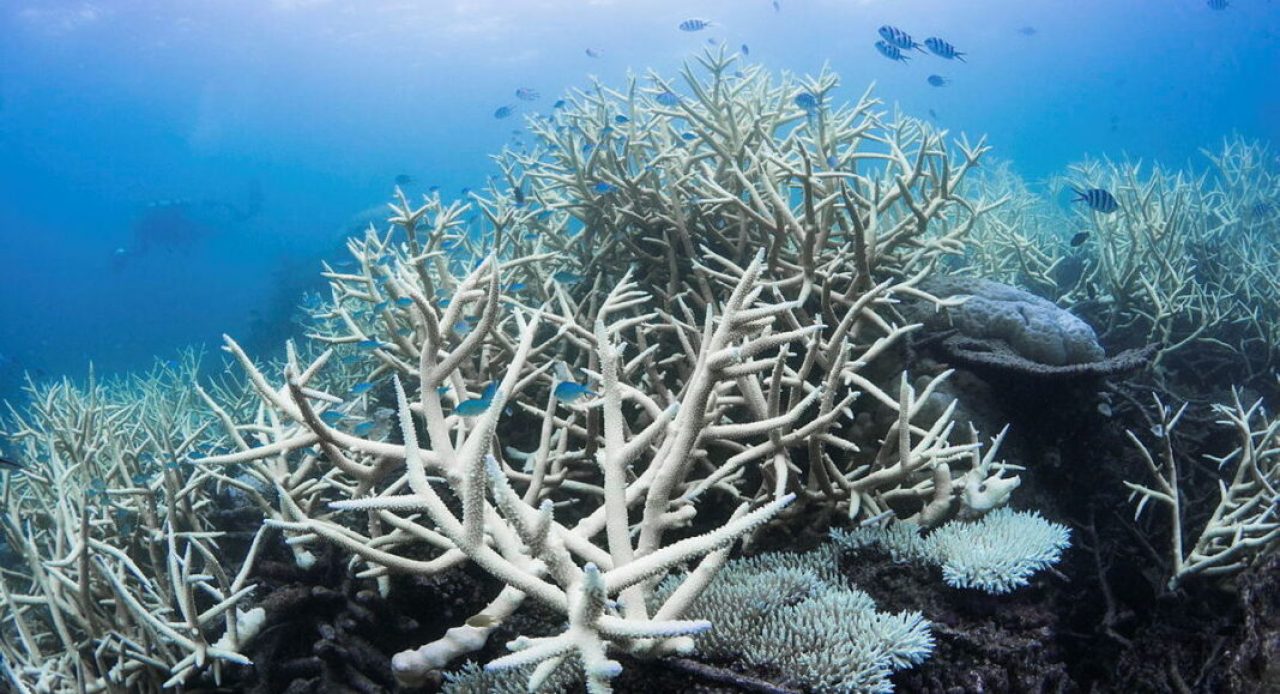
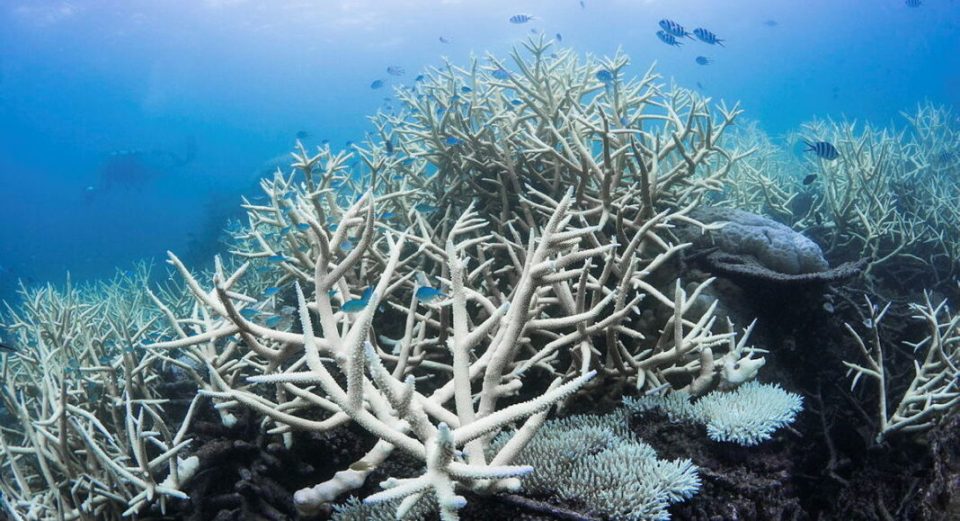
Coral reefs are often called the rainforests of the ocean, supporting thousands of marine species, protecting coastlines, and sustaining millions of people through tourism and fisheries. Yet, rising ocean temperatures and changing environmental conditions are causing coral bleaching events to occur more frequently and with greater severity. Today, many conservation efforts are reactive, taking place only after visible signs of bleaching appear. What if we could identify early warning signals and act before reefs reach a critical tipping point? This challenge invites participants to develop innovative solutions that predict coral reef stress before bleaching occurs. Using a combination of ocean temperature data, weather information, satellite observations, water quality measurements, historical bleaching records, and emerging technologies such as AI and machine learning, teams will explore ways to detect vulnerable reef areas and forecast potential bleaching risks. The goal is not only to build predictive models but also to create practical tools that can support researchers, conservation organizations, policymakers, and local communities in making informed decisions. Solutions may include interactive dashboards, early-warning systems, visualization platforms, mobile applications, or data-driven decision-support tools. By helping stakeholders move from reaction to prevention, participants can contribute to protecting some of the planet’s most valuable and fragile ecosystems. Together, we can transform ocean data into actionable insights and empower the next generation of ocean guardians to safeguard coral reefs for the future.
You want to join the team:
- What the challenge owner would like to develop over 48h
- A web-based early warning and decision-support platform that predicts coral reef stress and bleaching risk using environmental and ocean data.
- Which skills the challenge owner is looking for
- Very open for all people for those who are interested. Including: data scientist, web developer, project manager